
In short: Foreign crews filming in Thailand need a permit from the Thailand Film Office in the Department of Tourism and must work through a registered Thai coordinator. Feature films should apply at least 14 days ahead, documentaries and commercials at least 5 working days ahead. There is no application fee, but a government representative costs 2,000 baht a day, and national parks need a separate permission.
Updated 19 November 2026 by Reel Notes editors
Thailand is one of the busiest filming destinations in Asia, with beaches, jungles, temples and a modern capital within a short flight of each other. Filming in Thailand is also a regulated activity. Any foreign production that shoots a film, series, documentary or commercial in the country needs a permit, and the script it films has to match the script it submitted.
This guide explains how the permit system works for foreign crews, from the coordinator to the export seal. It pairs with our guide to the Thailand film rebate, which explains the cash incentive that has drawn more productions in, and with our overview of the phases of film production. Rules change, so always confirm the details with the Thailand Film Office before you plan a shoot.

Who issues filming permits in Thailand?
Permits are issued by the Thailand Film Office, part of the Department of Tourism in the Ministry of Tourism and Sports. The government’s one-stop service guide explains that applications are handled through a single service point, which then coordinates with other agencies where needed.
Still photographers are treated differently. According to the Royal Thai Embassy in Vienna, a photographer has to inform the Film Board before working but does not need a film permit.
Do you need a local coordinator?
Yes. Foreign productions must apply through a coordinator registered in Thailand, according to the one-stop service guide. The coordinator signs the application alongside the foreign company and acts as its legal contact. The embassy guidance lists what a coordinator usually handles:
- Agreements and liaison with government agencies.
- Preparing the documents for the Film Board.
- Work permits and advice on tax payments.
- Transport, accommodation, equipment, local talent and studio rental.
Coordinator fees are agreed privately and are not set by the government. This local partner is often the most important hire a foreign producer makes, which is one reason our guide to the activities of a film production company stresses service companies and line producers.

What documents does the application need?
The one-stop service guide lists a letter from the coordinator, a power of attorney, the application form and a storyboard or outline. The embassy guidance gives a fuller list that many coordinators still follow:
- A synopsis and full script, in English or Thai, for drama.
- A treatment for documentaries or a storyboard for commercials.
- The shooting schedule, with dates and locations listed day by day.
- A crew list with positions and passport numbers.
- A list of all equipment, especially any weapons, chemicals or explosives.
- Company registration documents.
The script must not damage Thai traditions, culture, morals, national security or the dignity of the country, and any change has to be reported in advance, the embassy says.
How far ahead must you apply?
The one-stop service guide asks for applications at least 14 days before filming, with amendments at least one day before. The embassy guidance splits the timing by type of production:
| Production type | Apply before filming |
|---|---|
| Feature film, TV series, docudrama | At least 14 working days |
| Documentary or commercial | At least 5 working days |
| Still photography | Notify the Film Board, no permit needed |
| National park locations | At least 5 working days to the parks department |
Once the permit is granted, the crew must give the Film Board representative its location schedule at least two days before each shoot.
What does a permit cost?
There is no fee for the permit application itself. The one-stop service guide says the production pays 2,000 baht per day for each government inspection officer, and coordinator fees are negotiated separately. For feature films and series, the embassy guidance says one representative is assigned per filming unit for up to 10 hours, with more for longer days, at 2,000 baht per person per 12-hour period. Days when a representative is present but nothing is filmed cost 500 baht per person, and the production also pays the representative’s travel, food and hotel outside their home province.
Work permits, tax and equipment
Crew who stay longer than 15 days need work permits from the Department of Employment, according to the embassy guidance. For shorter stays, the coordinator informs the Film Board, which passes the details on. Income tax of 5 to 37 percent is withheld on fees paid to talent and crew engaged by the foreign company.
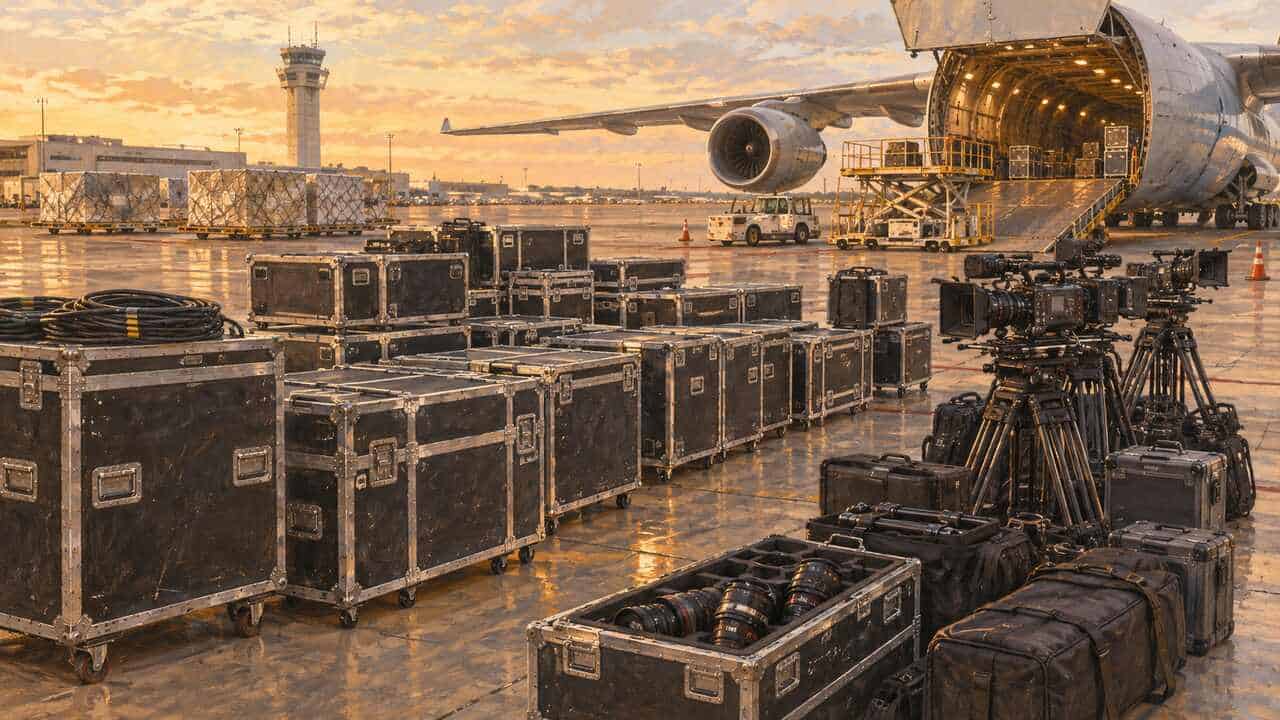
Camera and lighting equipment must follow Customs Department rules. Professional kit can enter under an ATA carnet for temporary import without duty or tax, if the crew’s home country is a member of the carnet system. At the end of the shoot, the footage is shown to the Film Board representative, who signs off the production, and an export fee is paid before the material leaves the country.
Filming in national parks and protected places
Many of Thailand’s best-known locations, including the islands and cliffs of Phang Nga Bay and Ko Phi Phi, are inside national parks. Filming there needs a second permission. The government guide on filming in national parks says applications go to the Department of National Parks, Wildlife and Plant Conservation at least 5 working days before filming, with the Department of Tourism permit attached. The crew must also tell the park chief one working day before filming, and a fee is paid for the days requested.
Historical sites and other protected areas can need their own permissions too. The lesson from The Beach, whose changes to Maya Bay led to years of court cases, is that environmental rules are taken seriously.
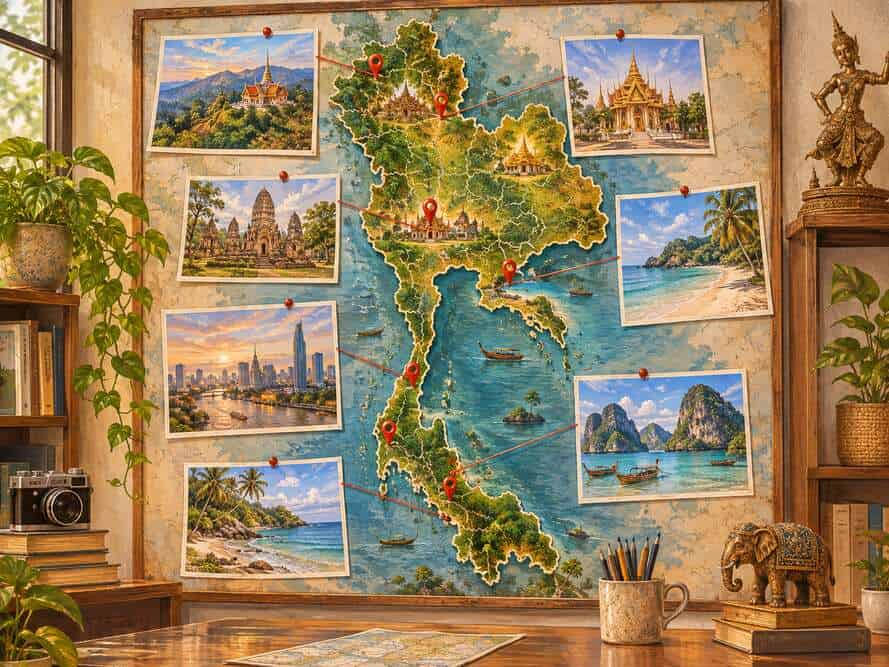
Choosing where to film
Location choice affects more than the look of a film. Some provinces earn an extra 3 percent under the rebate, and parks add time and paperwork. For an overview of the places foreign productions have used, from Bangkok rooftops to the Andaman islands, see our guide to movies filmed in Thailand. For a real example of a production shot on location abroad, our notes on Serenity look at its shoot in Mauritius.
Key takeaways
- Foreign productions need a permit from the Thailand Film Office in the Department of Tourism.
- Applications must go through a coordinator registered in Thailand.
- Feature films and series should apply at least 14 days ahead, documentaries and commercials at least 5 working days ahead.
- There is no application fee, but each government representative costs 2,000 baht a day.
- Crew staying longer than 15 days need work permits, and professional kit can enter under an ATA carnet.
- National parks need a separate permission from the parks department.
Common questions
Do you need a permit to film in Thailand?
Yes. Foreign productions shooting films, series, documentaries or commercials need a permit from the Thailand Film Office. Still photographers only need to inform the Film Board.
How long does a Thai filming permit take?
Apply at least 14 days before filming for drama. Documentaries and commercials can apply at least 5 working days before.
How much does a filming permit in Thailand cost?
The application is free, but the production pays 2,000 baht a day for each government representative, plus the coordinator’s fee.
Do foreign crew need work permits to film in Thailand?
Crew staying longer than 15 days need work permits from the Department of Employment. For shorter stays the coordinator informs the Film Board.
Can you film in Thai national parks?
Yes, with a separate permission from the Department of National Parks, Wildlife and Plant Conservation, requested at least 5 working days ahead.
Can you bring camera equipment into Thailand duty free?
Professional equipment can be imported temporarily under an ATA carnet if your country is a member of the system.
How we put this together: We took the permit rules from the Thailand.go.th government guides, the Thailand Film Office and the Royal Thai Embassy in Vienna’s filming guidance. Embassy guidance can be older than the current rules, so we give the government guide’s timings first. This is an independent guide with no link to Aviron Pictures, the Thailand Film Office or any production named here, and it is not legal advice.